





Designing for IP Ratings
What IP Ratings mean for product development
In today’s product landscape, devices are expected to perform reliably in demanding environments, whether that is dust exposure on a factory floor, cleaning routines in medical settings (e.g. autoclave) or splashes and spray in marine applications.
At Helder Industrial Design, we believe that strong product design seamlessly integrates technical performance, user experience, and environmental resistance. An IP-rated product doesn’t simply resist water and dust, it reassures consistent performance and extended product lifespan.
What is an IP rating, really?
An IP rating is a standardized code defined under IEC 60529 that describes how well a device is protected against solid particles (like dust) and liquids (like water). The code consists of two digits:
- The first digit reflects dust protection (0 = no protection, 6 = dust-tight).
- The second digit reflects water protection (0 = no protection, 8 = full immersion).
For example, IP54 ensures that an enclosure is protected against limited dust ingress and water splashes from any direction.
- The “5” for dust allows small amounts of dust in, but operation remains unaffected.
- The “4” for water protects against splashes from all directions.
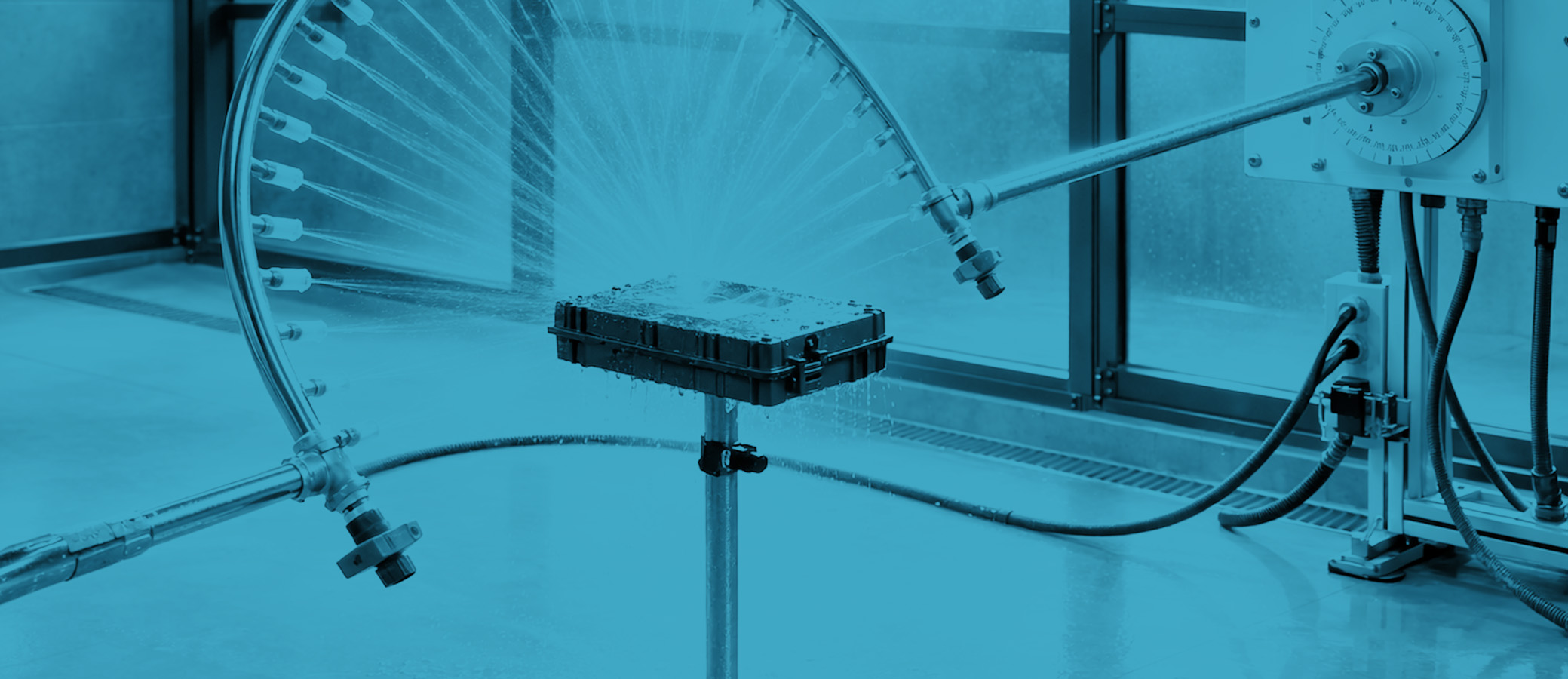
- Per IEC 60529, water is sprayed at ~10 liters per minute from all directions, typically from a distance of 3 meters.
In practice, IP54 means protection against rain, accidental splashes, or cleaning with a damp cloth, important for medical equipment, EV chargers, and other devices exposed to occasional dust or moisture.
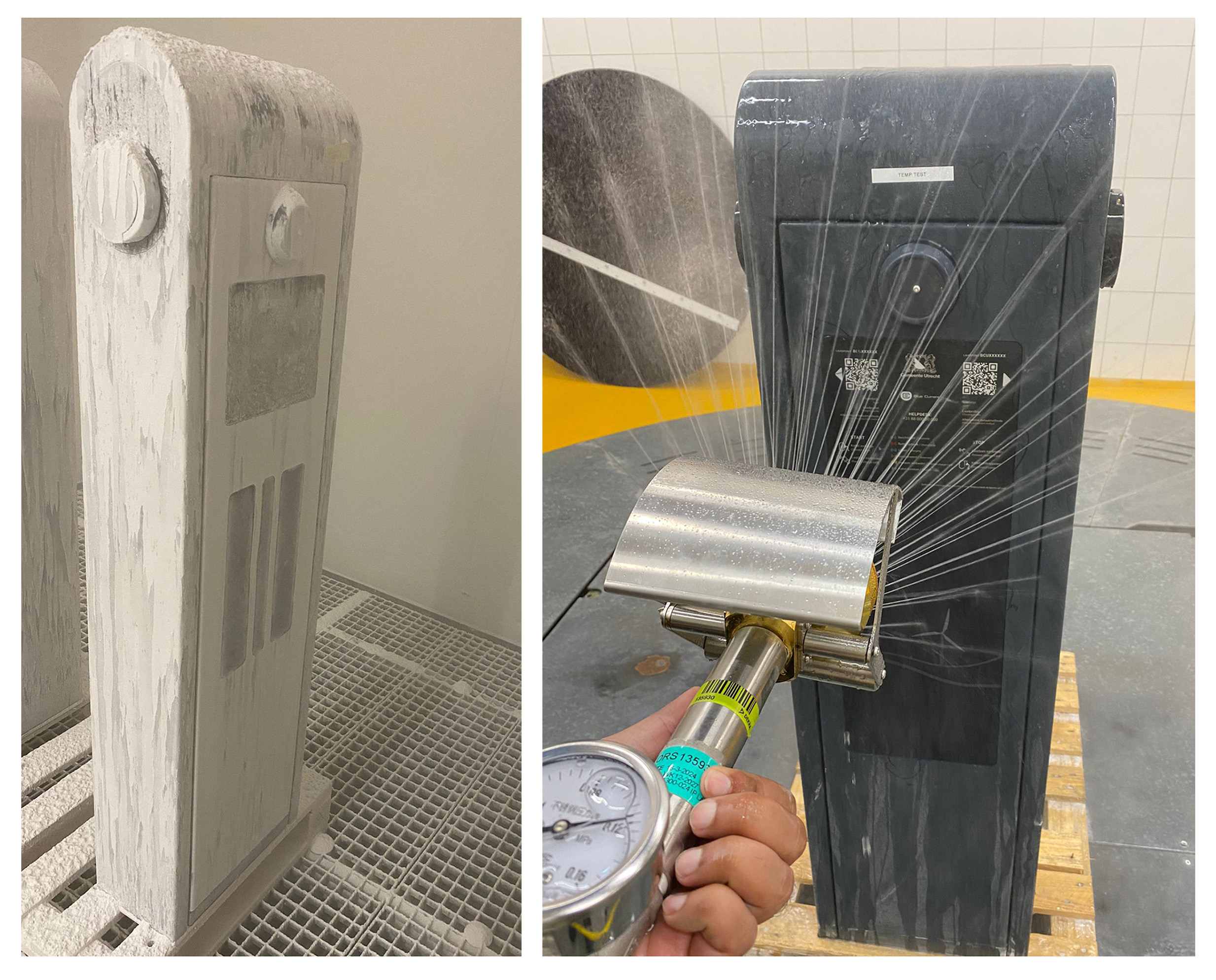
IP54 test on the BlueCurrent public EV charger
executed by Dekra
Why IP-aware design matters
While an IP label may seem like a simple sticker on a datasheet, achieving it in reality is a detailed engineering challenge. It requires careful consideration of every potential ingress point, from seams and gaskets to buttons and cable entries. In many products, connectors and seals are the most common failure points unless carefully integrated into the design.
IP-aware design is not just about meeting a test; it’s about ensuring a product continues to perform out in the real world, with temperature changes, pressure differences, vibration, and repeated use factored into its everyday life.
Core principles of IP-compatible design
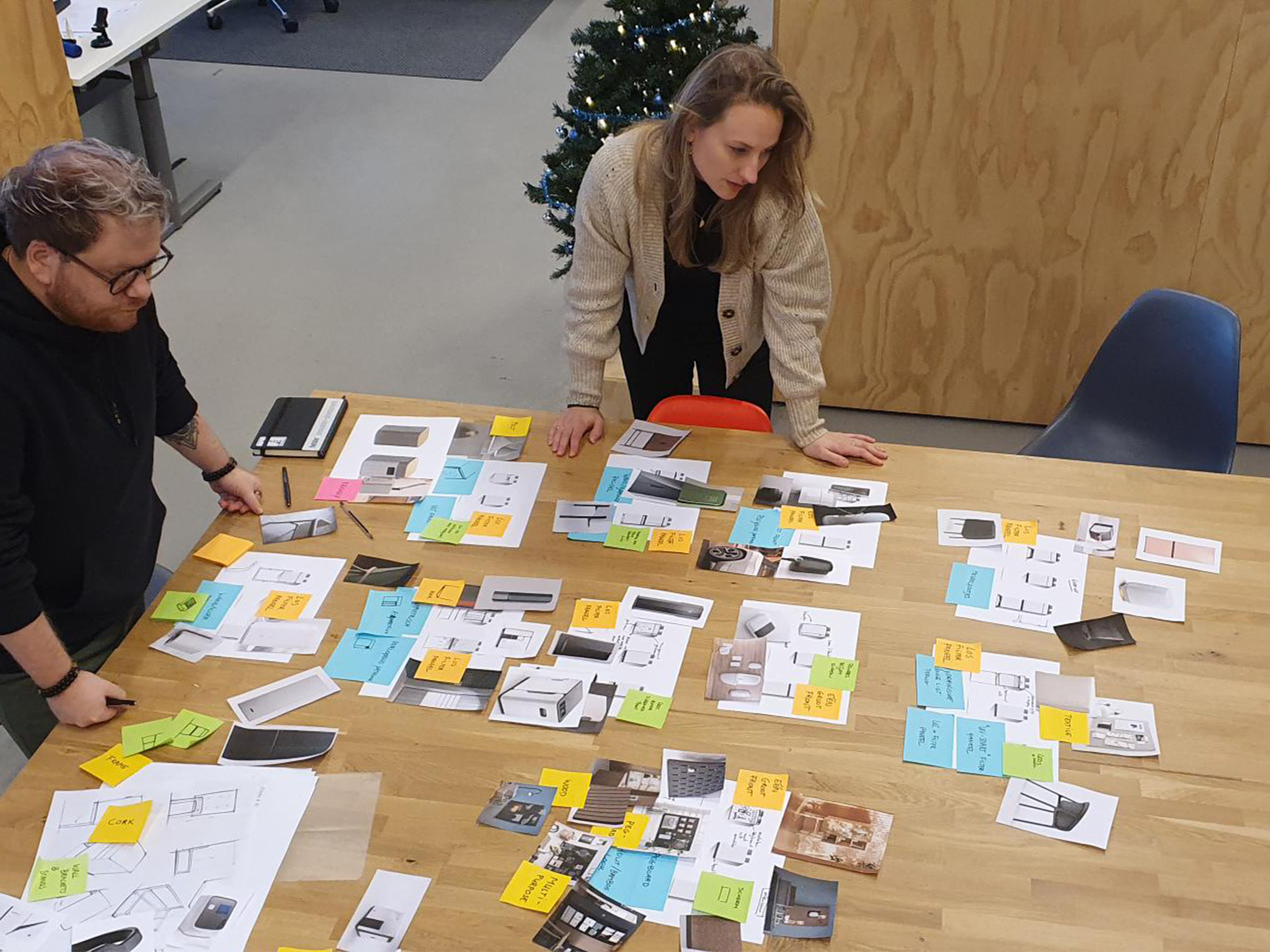
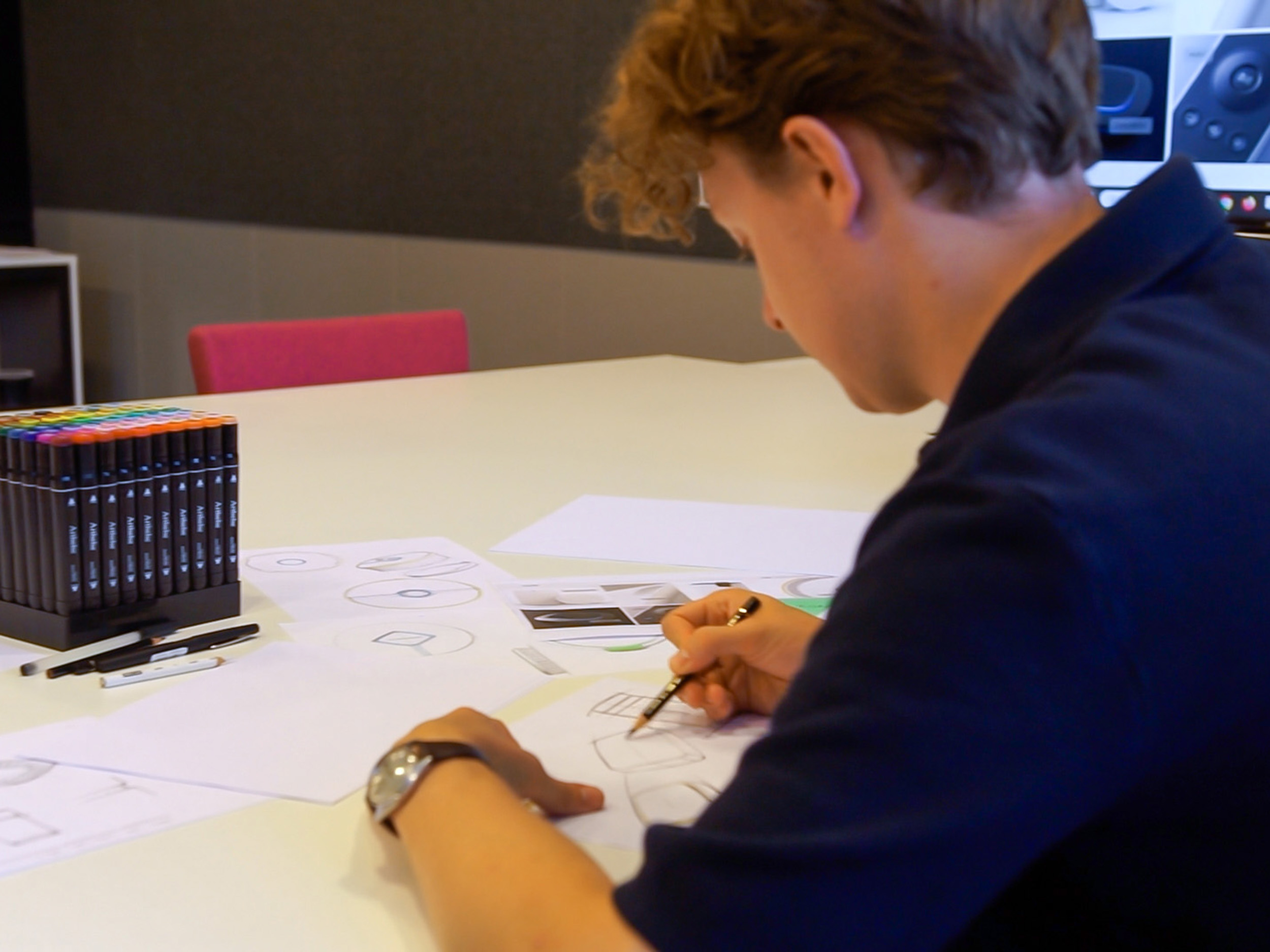
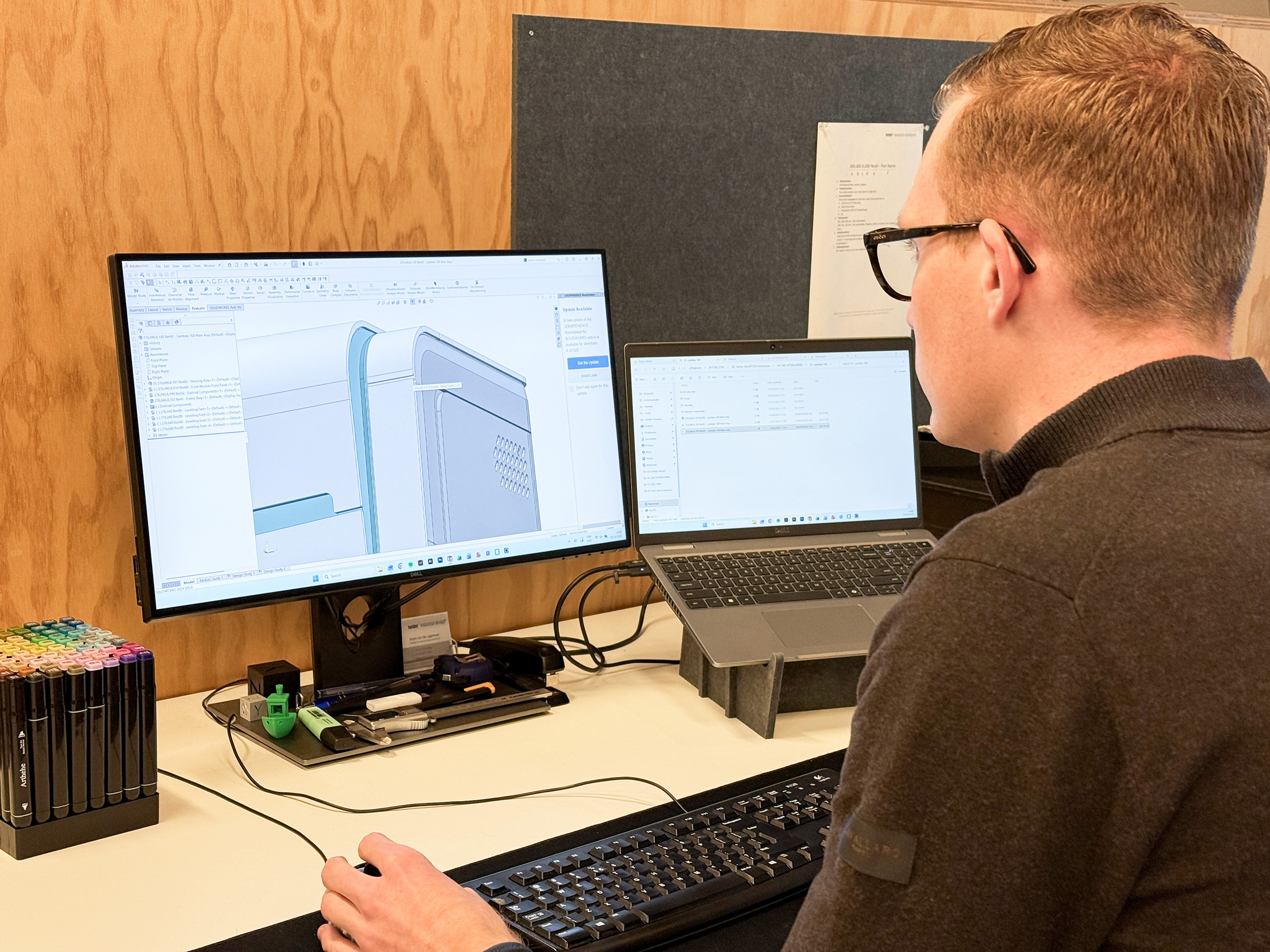
Building IP-rated products requires seamless collaboration between design and engineering at every stage. Key considerations include:
- Think system-wide
Effective protection isn’t just a gasket, it’s engineered interfaces, smart material choices, and manufacturing quality, built to perform consistently under temperature swings, pressure changes, vibration, and everyday use. - Choose the right seals and materials
Selecting gaskets, adhesives, and sealing materials carefully is essential. Silicone gaskets, compression seals, and high-bond adhesives all contribute to long-term protection, ensuring the product stays reliable throughout its life. - Manage airflow and pressure
Products can fail IP testing not because of water, but because pressure changes (e.g., due to temperature swings) stress seals. Integrating hydrophobic vents can help manage internal pressure without compromising protection. - Pay attention to connectors and user interfaces
Buttons, USB ports, and cable glands are classic weak points. Using IP-rated connectors and custom-designed covers or membranes ensures these elements don’t become ingress paths. - Prototype early and test often
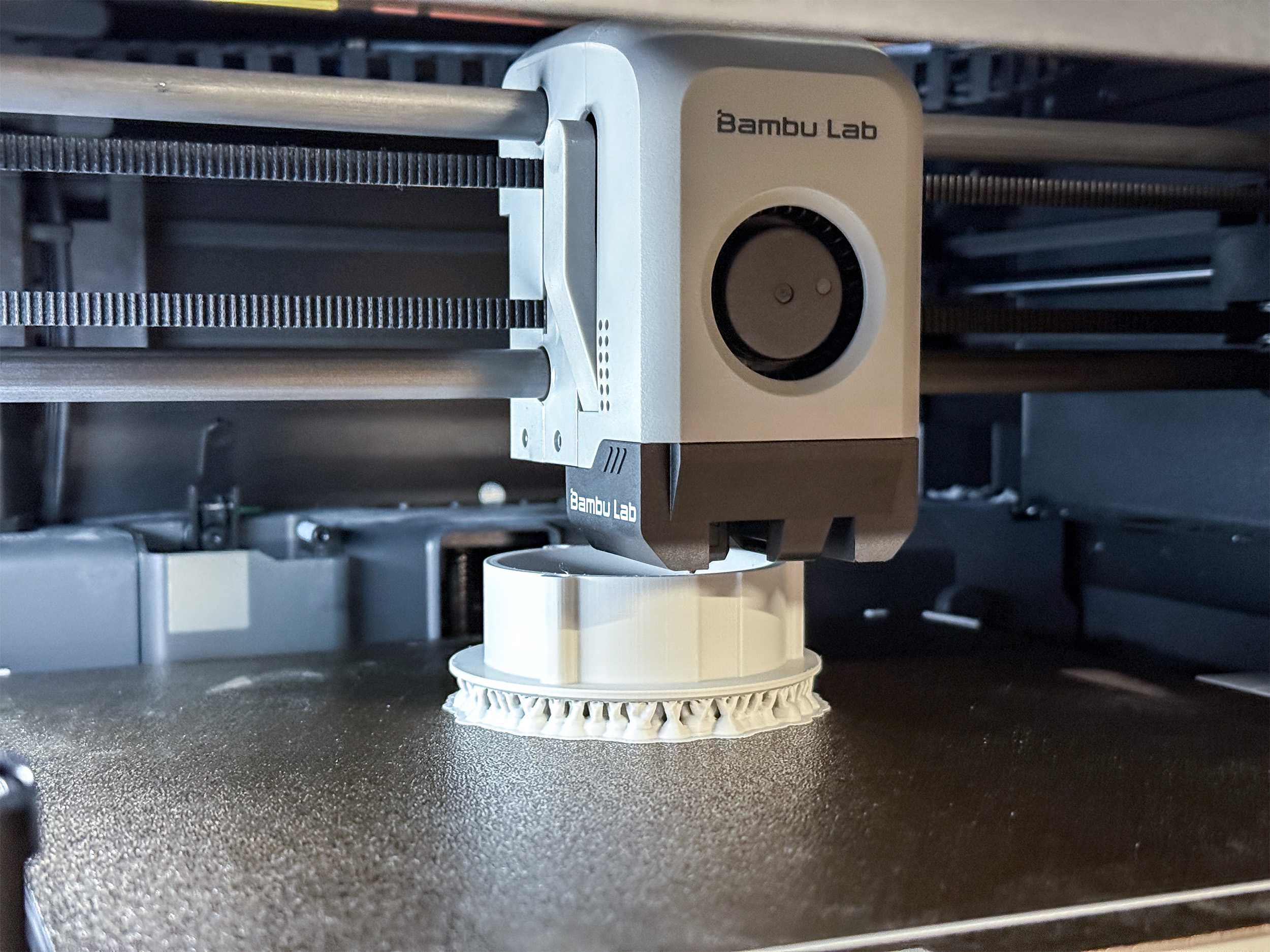
Testing early prototypes with the actual materials and seals helps catch issues before production. Test them in the environment where the product will actually be used to ensure reliable performance.
Practical validation
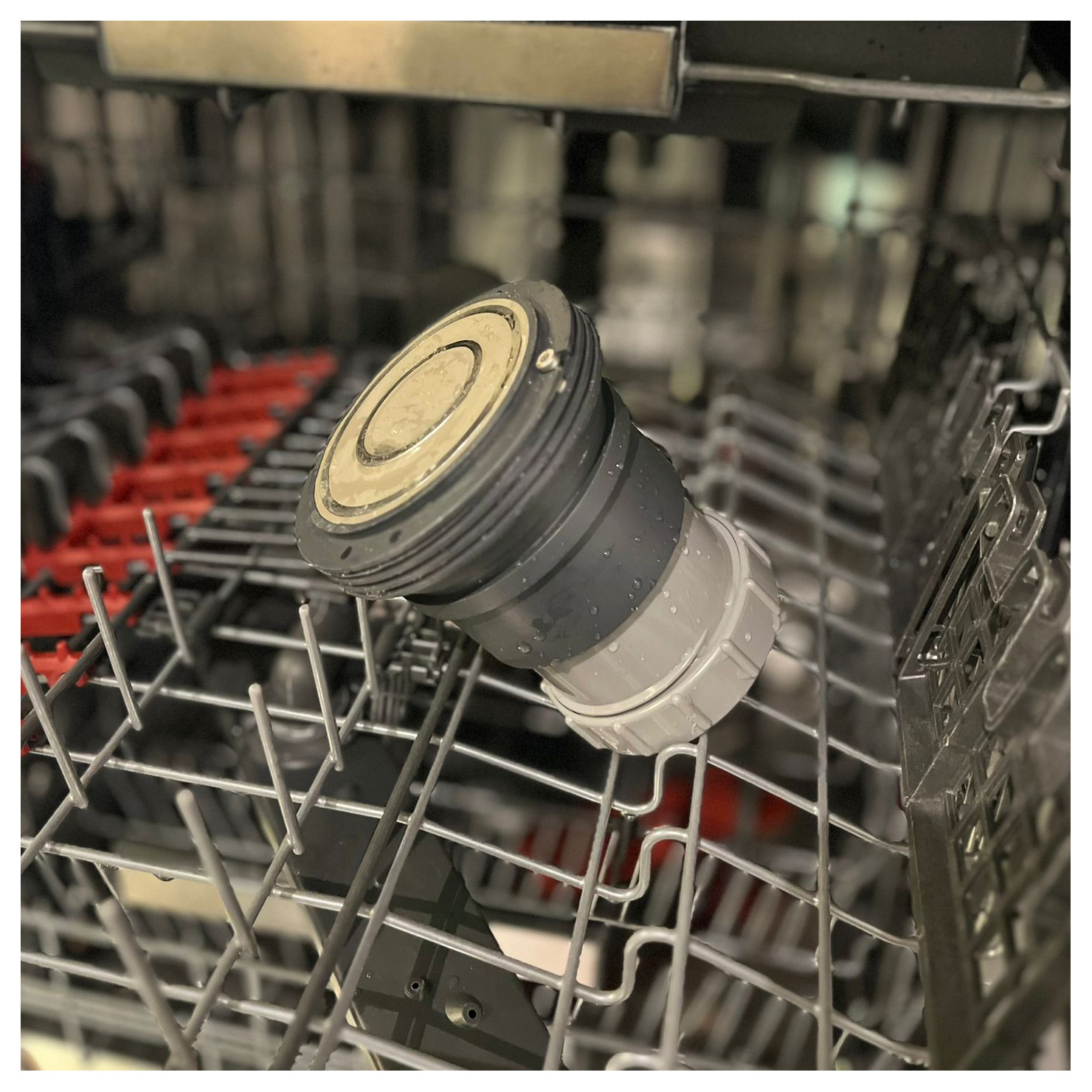
At Helder-ID, we believe in quick, practical validation. When developing products for demanding outdoor environments, such as StreetSense, we simply place early prototypes in the dishwasher to expose them to real head, water pressure, and moisture cycles. These fast, hands-on tests provide immediate feedback and help to refine design efficiently.
Need help with IP-rated product development?
Building an IP-rated product requires seamless teamwork between design, engineering, and manufacturing. It requires an integrated approach where industrial design, mechanical engineering, material science, and manufacturing know-how come together.
At Helder, we help you create products that are durable, reliable, and ready for any environment. Let’s bring your next IP-rated product to life!