



Category

Blog

Medical Design

Medical Design

Where form, function, and safety meet

In the world of medical innovation, product design plays a crucial role. It forms the bridge between technology, ergonomics, and aesthetics. At Helder Industrial Design, we believe that a well-designed medical product should not only function effectively, but also convey trust and a sense of safety to both healthcare professionals and patients.

Medical design is distinct from traditional product development because of the complex demands these products must meet. It’s not just about creating something that looks good, but about ensuring safety, hygiene, and ease of use.

What is medical design, really?

In simple terms, medical design involves creating medical devices and tools with a strong focus on user needs, safety, and functionality. It is a careful process where every aspect of use, performance, and production is considered.

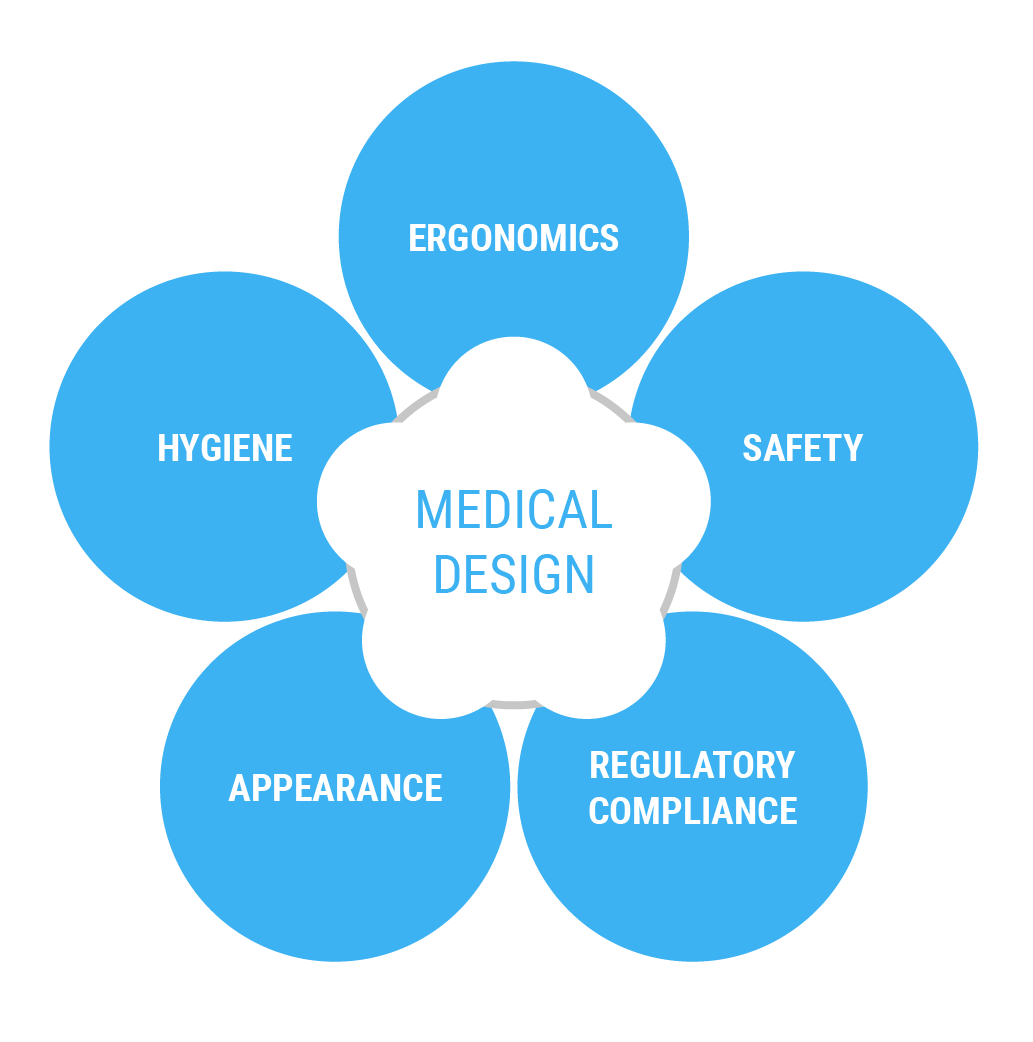
Some of the key elements of medical design include:

  • Ergonomics: Products must be easy and comfortable to use for both healthcare professionals and patients.
  • Hygiene: Materials and shapes need to be easy to clean to prevent infection and contamination.
  • Safety: Clear instructions and intuitive visual or tactile signals help ensure the product is used correctly.
  • Appearance: A friendly and intuitive design helps build trust with users.
  • Regulatory compliance: Products must meet international standards and legal requirements.
The role of industrial design in medical innovation

When developing a new medical application, it is essential to bring together technical performance and user experience. The product must work flawlessly, and users must be able to operate it safely and intuitively. Design also plays a major role in product acceptance. If a product looks reliable and user-friendly, it gives people confidence, which is key to its success. Industrial designers focus on exactly these factors and play an important part in turning innovation into reality.
Case study: Vitestro

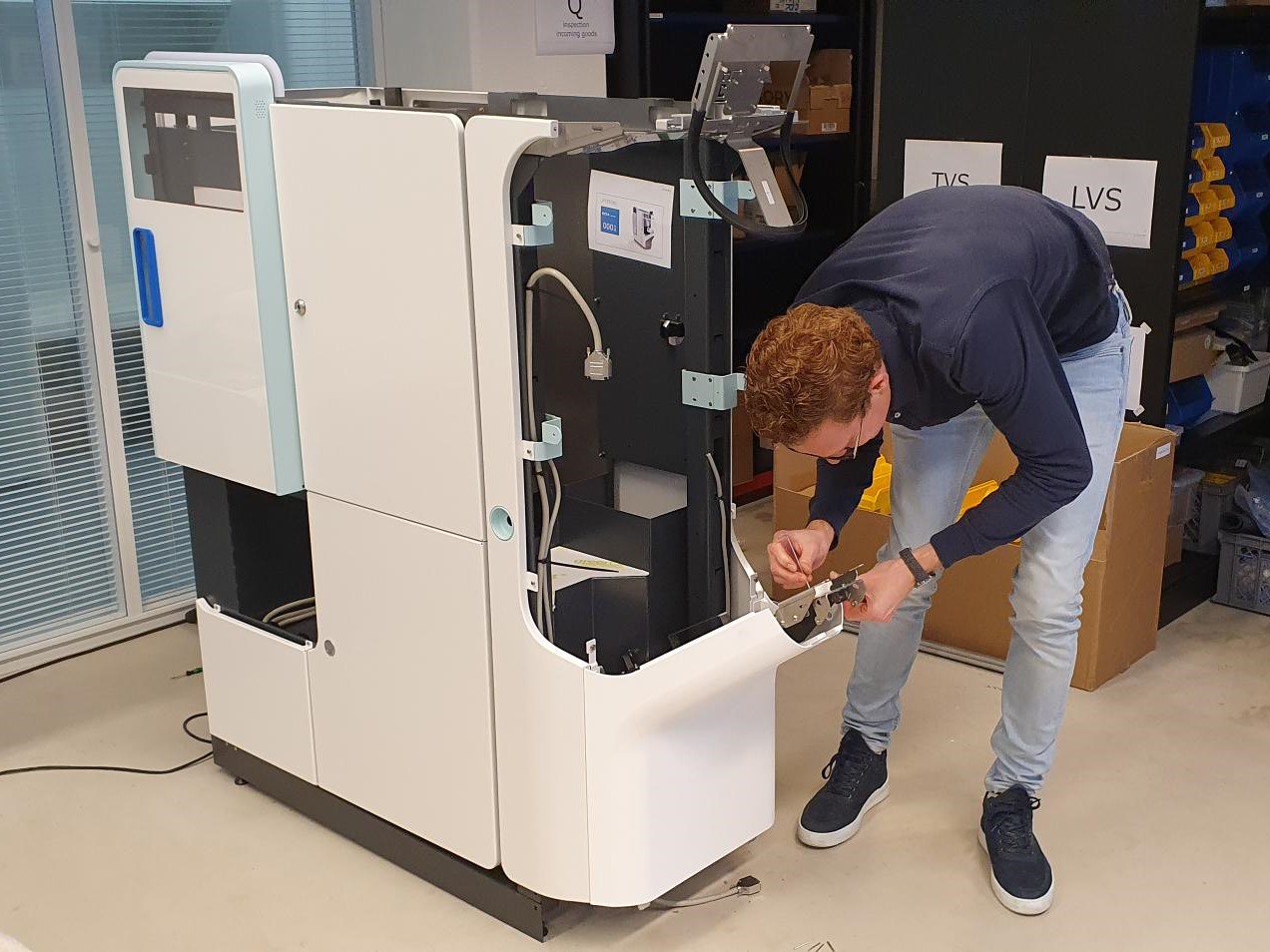
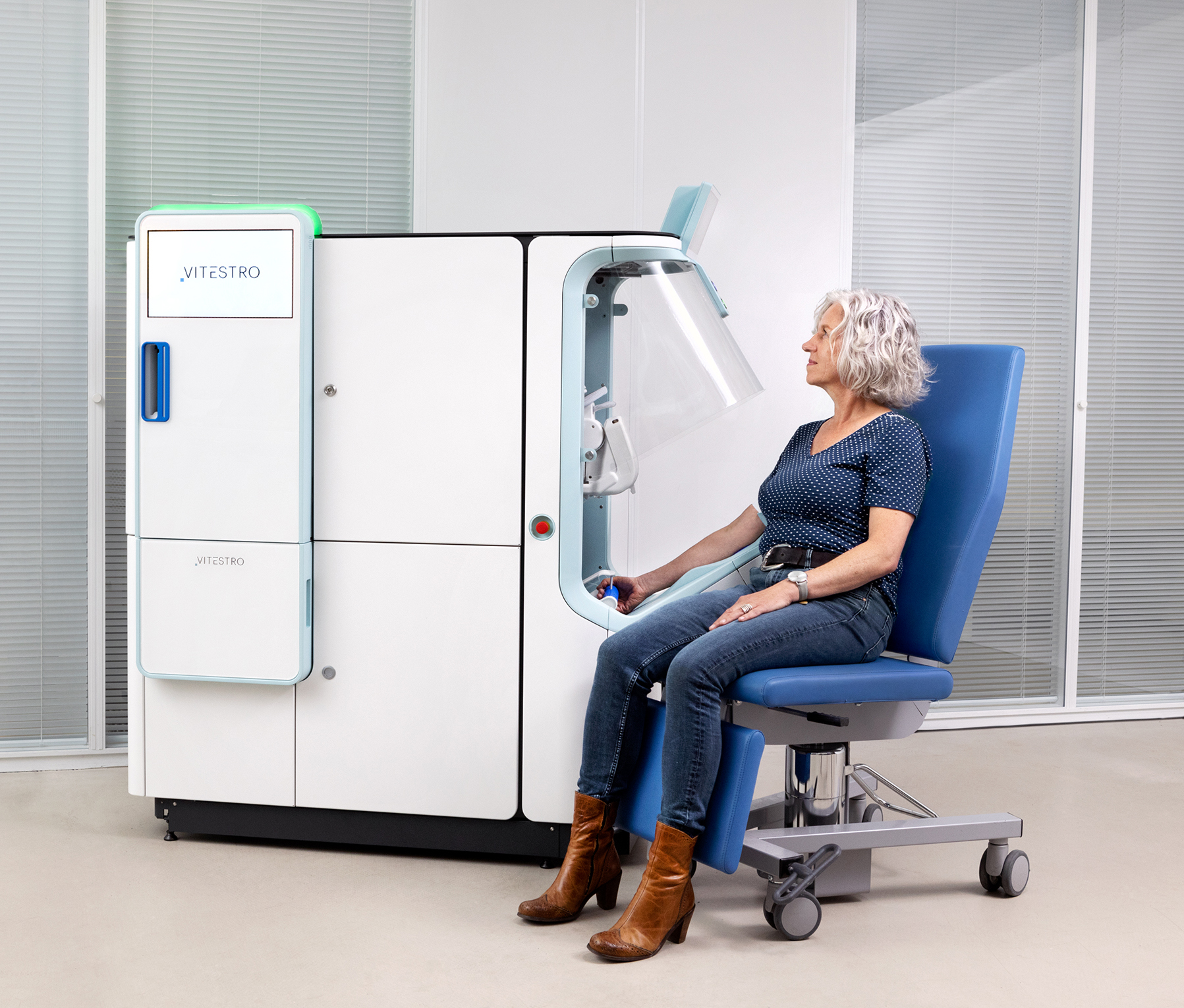
One example where all these aspects came into play is Vitestro’s blood collection robot. This machine allows patients to draw their own blood under the supervision of a healthcare professional. Helder was involved in designing and engineering a suitable housing for the product.

By using full-size mock-ups, we were able to study the actions of both patients and medical staff. Based on these insights, we created a housing that meets requirements for ergonomics, safety, and cleanability. The product also has a friendly and reliable appearance, which supports its acceptance in medical environments.


You can find more information and visuals from this project on the project page.

From idea to certified product

Developing a medical product is a structured and highly detailed process. Strict requirements and international standards must be followed, and the entire process needs to be traceable. Risk analysis is a critical step to ensure safe use. At Helder, we support our clients every step of the way, combining a strong attention to detail with expertise in materials and processes. We also guide clients through the path to CE certification, so that their product is not only innovative, but also safe and compliant.
Beyond design: Full-scope support in medical product development

While this article highlights the importance of product design, our involvement often extends well beyond that stage. Through Helder Products, we assist clients with the sourcing and production of molds, parts, and components, collaborating with our trusted network of certified manufacturing partners. This ensures that medical products are not only thoughtfully designed, but also ready for reliable and scalable production. In an upcoming blog post, we’ll take a closer look at these capabilities and how they contribute to successful medical innovations.

Need support?

Working on a medical innovation? We are here to help. Reach out to us if you are looking for a partner who can think along with you in every phase of development and help bring a high-quality end result to life.

Designing for IP Ratings

Designing for IP Ratings

What IP Ratings mean for product development

In today’s product landscape, devices are expected to perform reliably in demanding environments, whether that is dust exposure on a factory floor, cleaning routines in medical settings (e.g. autoclave) or splashes and spray in marine applications.

At Helder Industrial Design, we believe that strong product design seamlessly integrates technical performance, user experience, and environmental resistance. An IP-rated product doesn’t simply resist water and dust, it reassures consistent performance and extended product lifespan.

What is an IP rating, really?

An IP rating is a standardized code defined under IEC 60529 that describes how well a device is protected against solid particles (like dust) and liquids (like water). The code consists of two digits:

  • The first digit reflects dust protection (0 = no protection, 6 = dust-tight).
  • The second digit reflects water protection (0 = no protection, 8 = full immersion).

For example, IP54 ensures that an enclosure is protected against limited dust ingress and water splashes from any direction.

  • The “5” for dust allows small amounts of dust in, but operation remains unaffected.
  • The “4” for water protects against splashes from all directions.
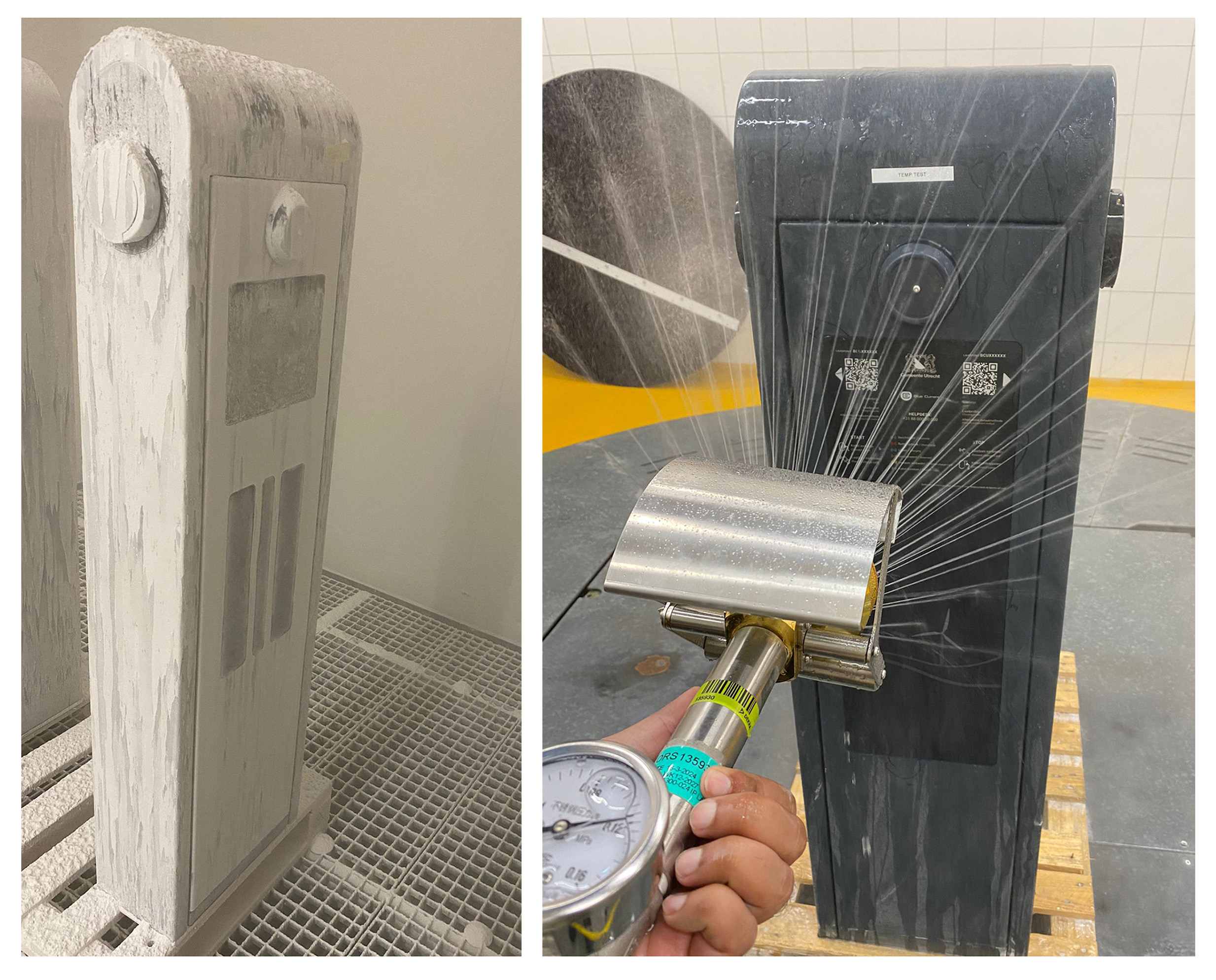
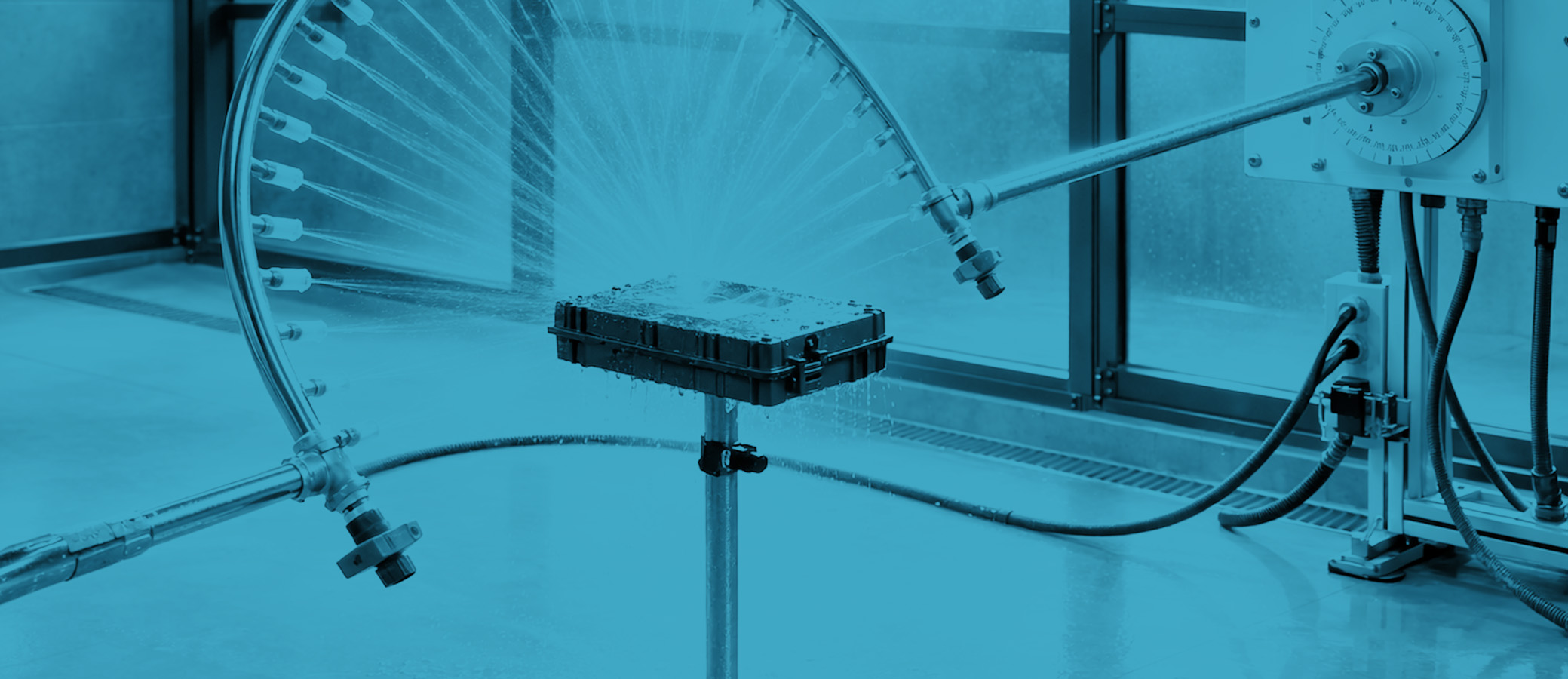
  • Per IEC 60529, water is sprayed at ~10 liters per minute from all directions, typically from a distance of 3 meters.

In practice, IP54 means protection against rain, accidental splashes, or cleaning with a damp cloth, important for medical equipment, EV chargers, and other devices exposed to occasional dust or moisture.

IP54 test on the BlueCurrent public EV charger
executed by Dekra

Why IP-aware design matters

While an IP label may seem like a simple sticker on a datasheet, achieving it in reality is a detailed engineering challenge. It requires careful consideration of every potential ingress point, from seams and gaskets to buttons and cable entries. In many products, connectors and seals are the most common failure points unless carefully integrated into the design.

IP-aware design is not just about meeting a test; it’s about ensuring a product continues to perform out in the real world, with temperature changes, pressure differences, vibration, and repeated use factored into its everyday life.

Core principles of IP-compatible design

Building IP-rated products requires seamless collaboration between design and engineering at every stage. Key considerations include:

  1. Think system-wide
    Effective protection isn’t just a gasket, it’s engineered interfaces, smart material choices, and manufacturing quality, built to perform consistently under temperature swings, pressure changes, vibration, and everyday use.
  2. Choose the right seals and materials
    Selecting gaskets, adhesives, and sealing materials carefully is essential. Silicone gaskets, compression seals, and high-bond adhesives all contribute to long-term protection, ensuring the product stays reliable throughout its life.
  3. Manage airflow and pressure
    Products can fail IP testing not because of water, but because pressure changes (e.g., due to temperature swings) stress seals. Integrating hydrophobic vents can help manage internal pressure without compromising protection.
  4. Pay attention to connectors and user interfaces
    Buttons, USB ports, and cable glands are classic weak points. Using IP-rated connectors and custom-designed covers or membranes ensures these elements don’t become ingress paths.
  5. Prototype early and test often
    Testing early prototypes with the actual materials and seals helps catch issues before production. Test them in the environment where the product will actually be used to ensure reliable performance.
Practical validation

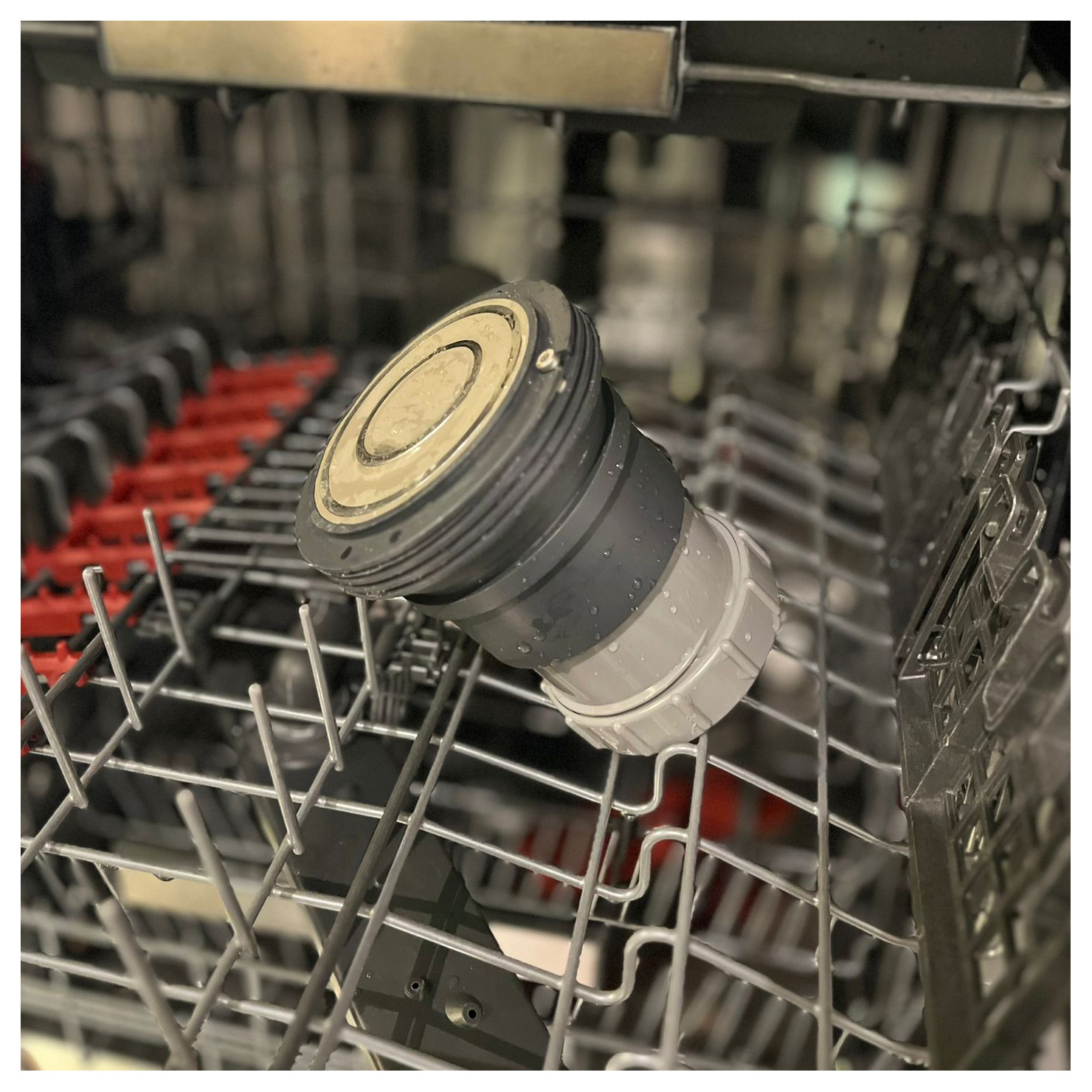
At Helder-ID, we believe in quick, practical validation. When developing products for demanding outdoor environments, such as StreetSense, we simply place early prototypes in the dishwasher to expose them to real head, water pressure, and moisture cycles. These fast, hands-on tests provide immediate feedback and help to refine design efficiently.

Need help with IP-rated product development?

Building an IP-rated product requires seamless teamwork between design, engineering, and manufacturing. It requires an integrated approach where industrial design, mechanical engineering, material science, and manufacturing know-how come together.

At Helder, we help you create products that are durable, reliable, and ready for any environment. Let’s bring your next IP-rated product to life!

From idea to finished product

From idea to finished product

A short introduction to the world of industrial design

A product doesn’t just happen. Behind every successful design lies a well-thought and structured process in which analysis, creativity, engineering, and manufacturability come together. At Helder Industrial Design, we guide our clients step by step from the initial idea to a manufacturable and fully functional final product. Along the way, we combine strategic insight with hands-on design and technical expertise.

The design process in phases

Our design process consists of the following phases that naturally build upon one another. The exact number of phases and the exact content depend on the product and client’s requirements.

  1. Analysis & definition
  2. Idea generation & concept design
  3. Engineering & technical development
  4. Prototyping & validation
  5. Production preparation & support
1. Analysis & definition

In this initial phase, we clearly define the use case and design requirements. What problem are we solving? Who is the user? In what context will the product be used? What requirements must the product meet?

Through discussions, user research and market analysis, we define a clear problem definition, requirements and objectives. Where possible, budgets and production requirements are also incorporated. If these aspects have not yet been defined prior to the project, this phase forms the foundation for the next ones.

2. Idea generation & concept design

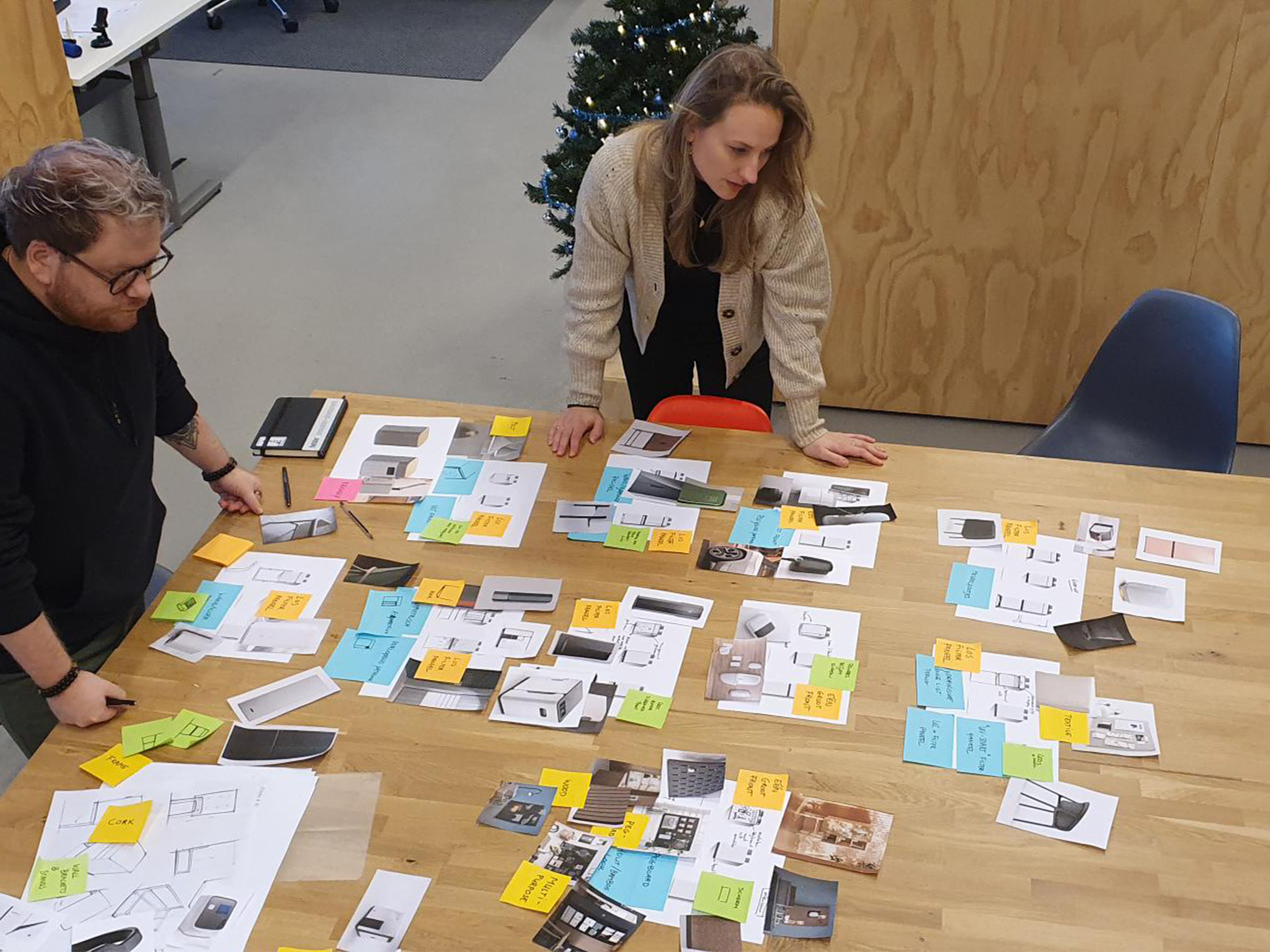
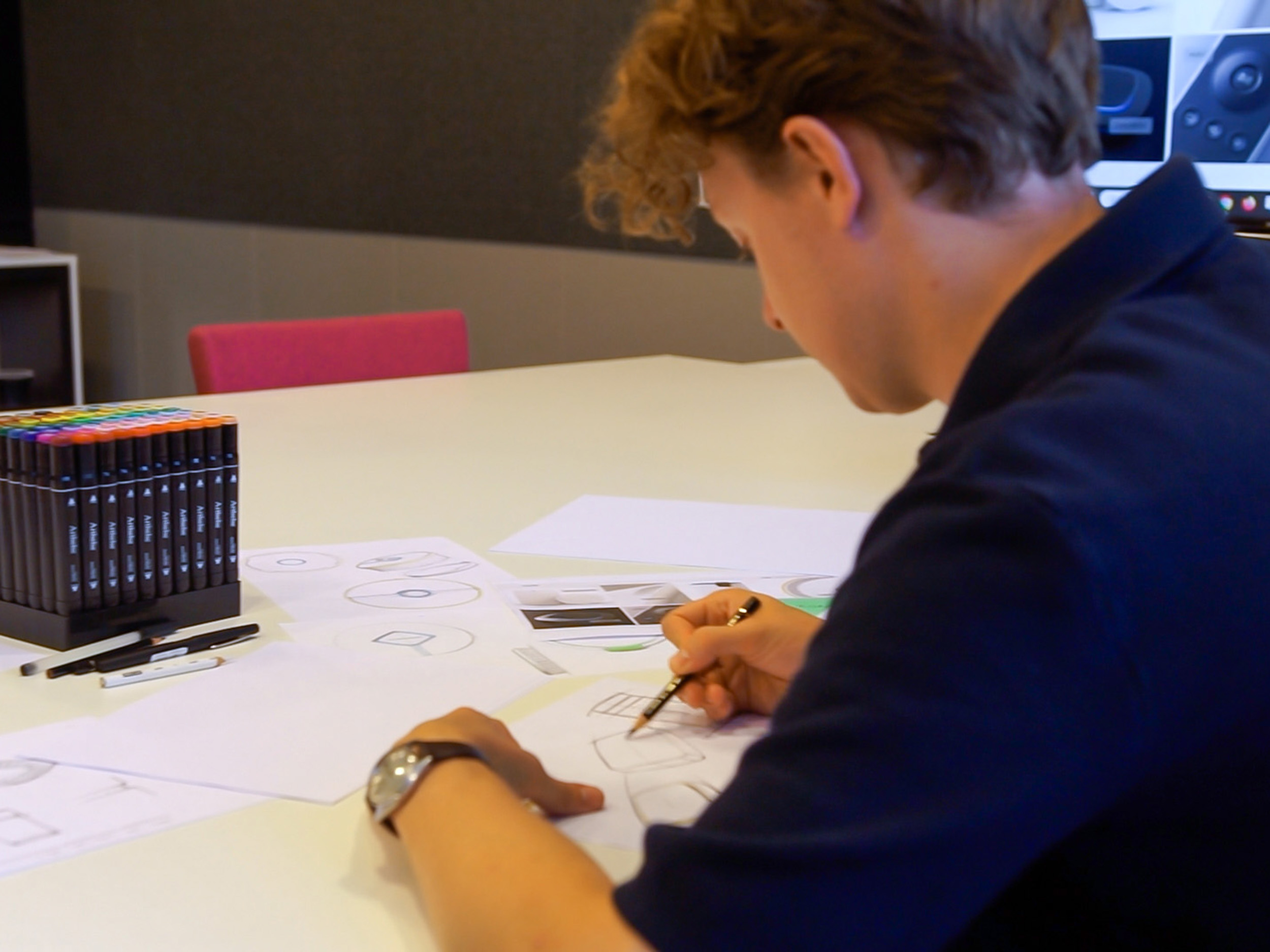
Based on the input from the client and/or insights from the previous phase, we begin exploring potential solutions. Using mood boards, sketches, 3D models (both digital and physical) and renderings, we visualize ideas and explore form, functionality and user interaction.

In this phase, multiple concepts are often developed and compared. Together with the client, we determine which concept best fits the objectives, technical feasibility, and desired appearance. In some cases, elements from different concepts are combined into a final direction.

3. Engineering & technical development

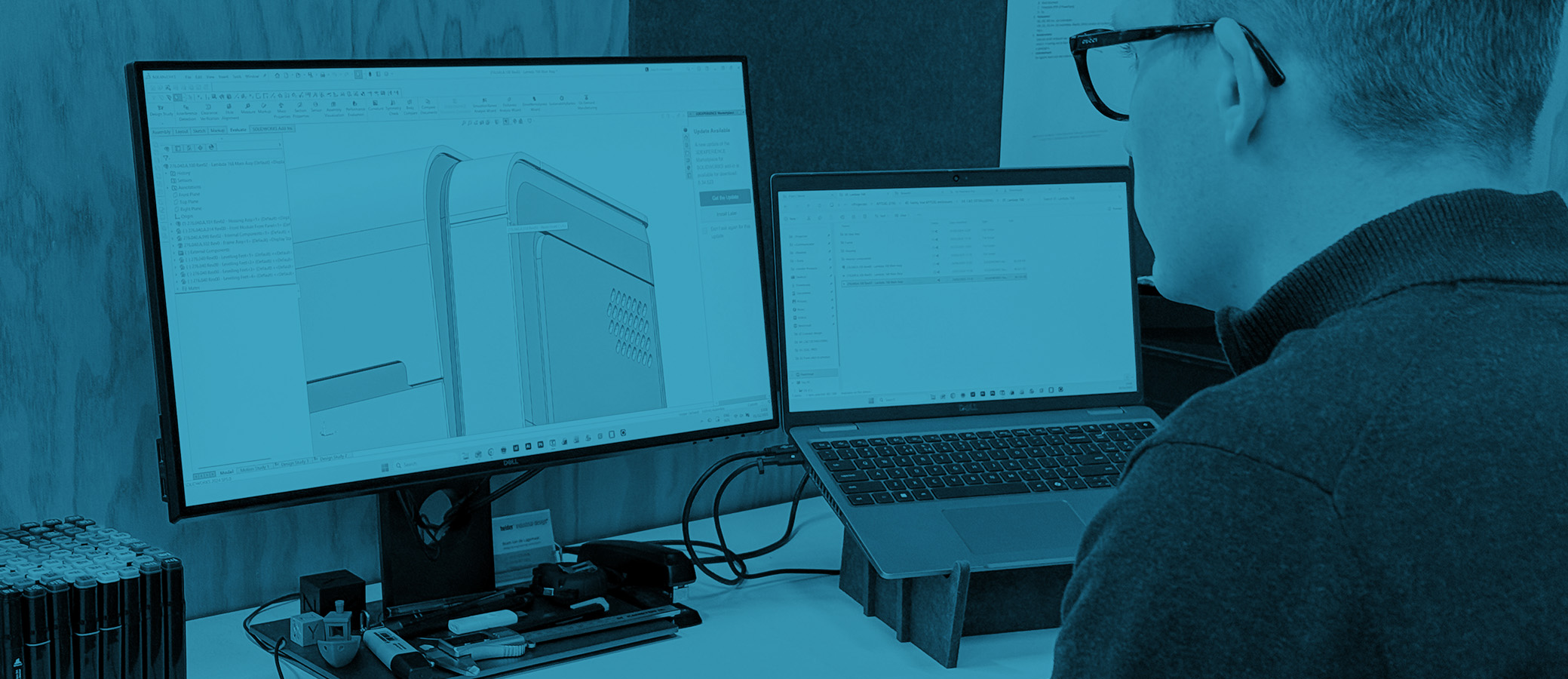
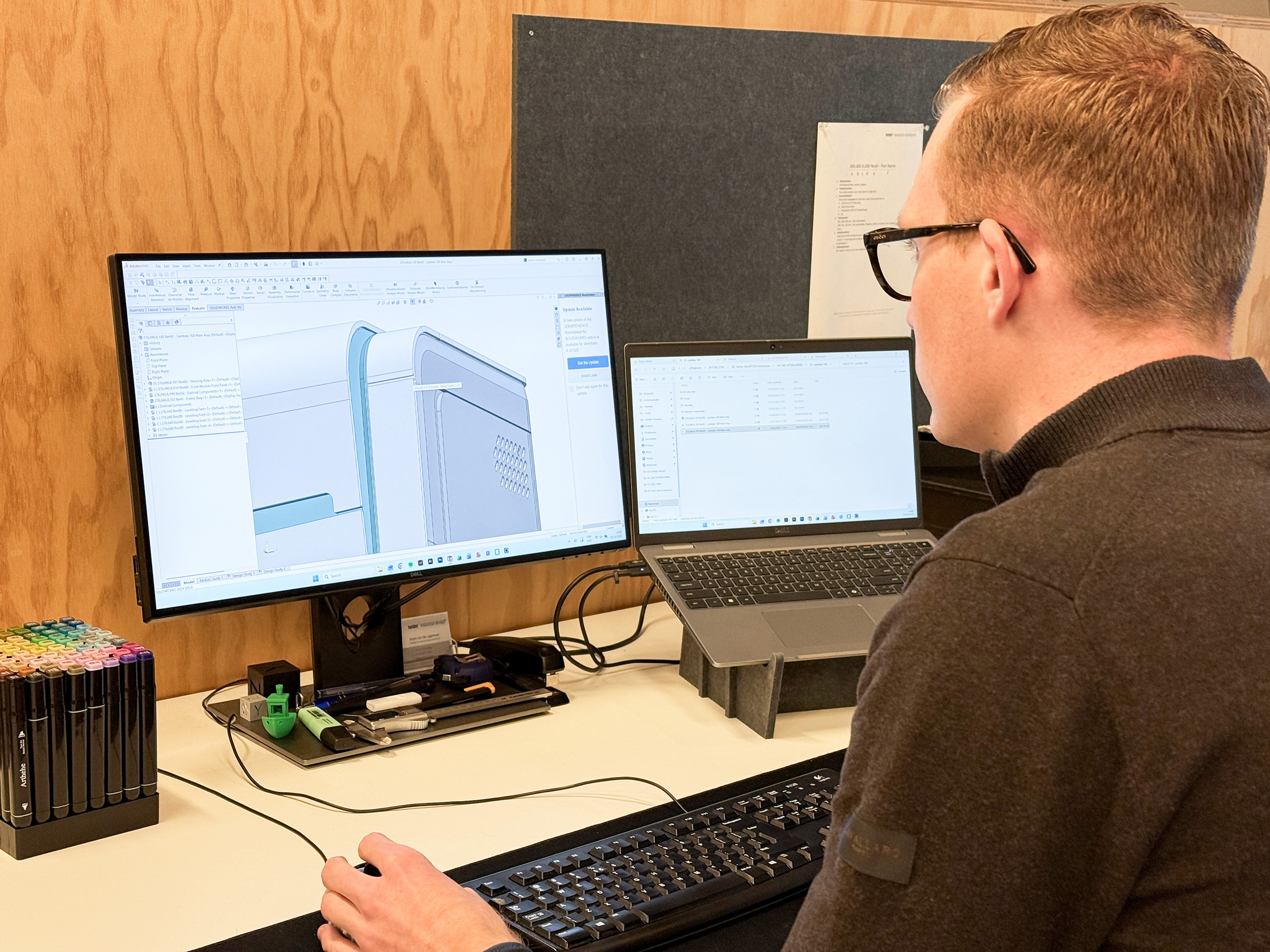
Once the concept design has been determined, we translate it into a technically feasible product. Using 3D CAD software, we develop the design in full detail, considering aspects as fastening methods, material and texture selection and tolerances.

To work efficiently, we incorporate Design for Manufacturing (DFM) early in this phase. The design is optimized for serial production and efficient assembly. By collaborating closely with suppliers and manufacturers, we ensure an (efficiently) feasible product.

4. Prototyping & validation

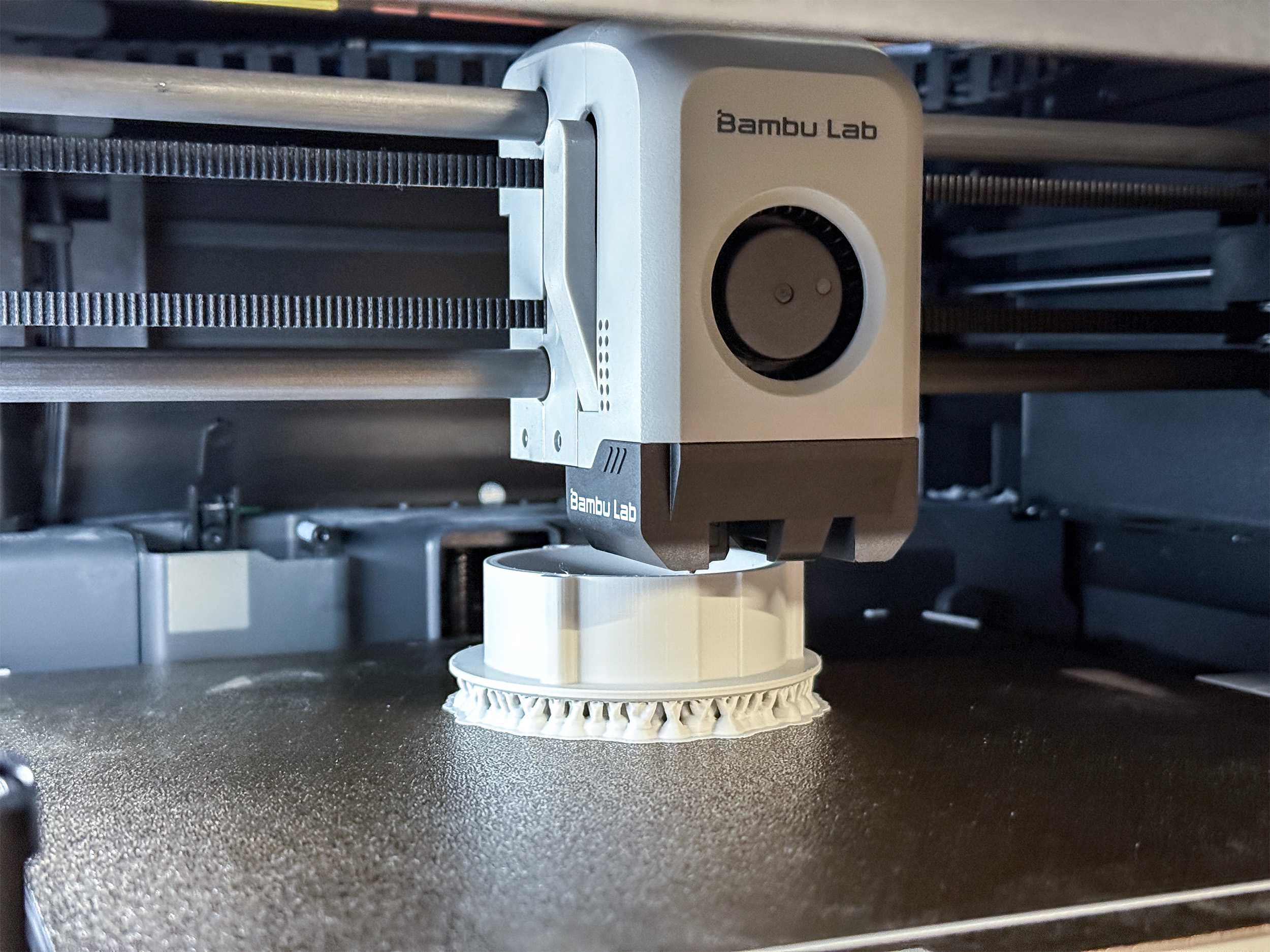
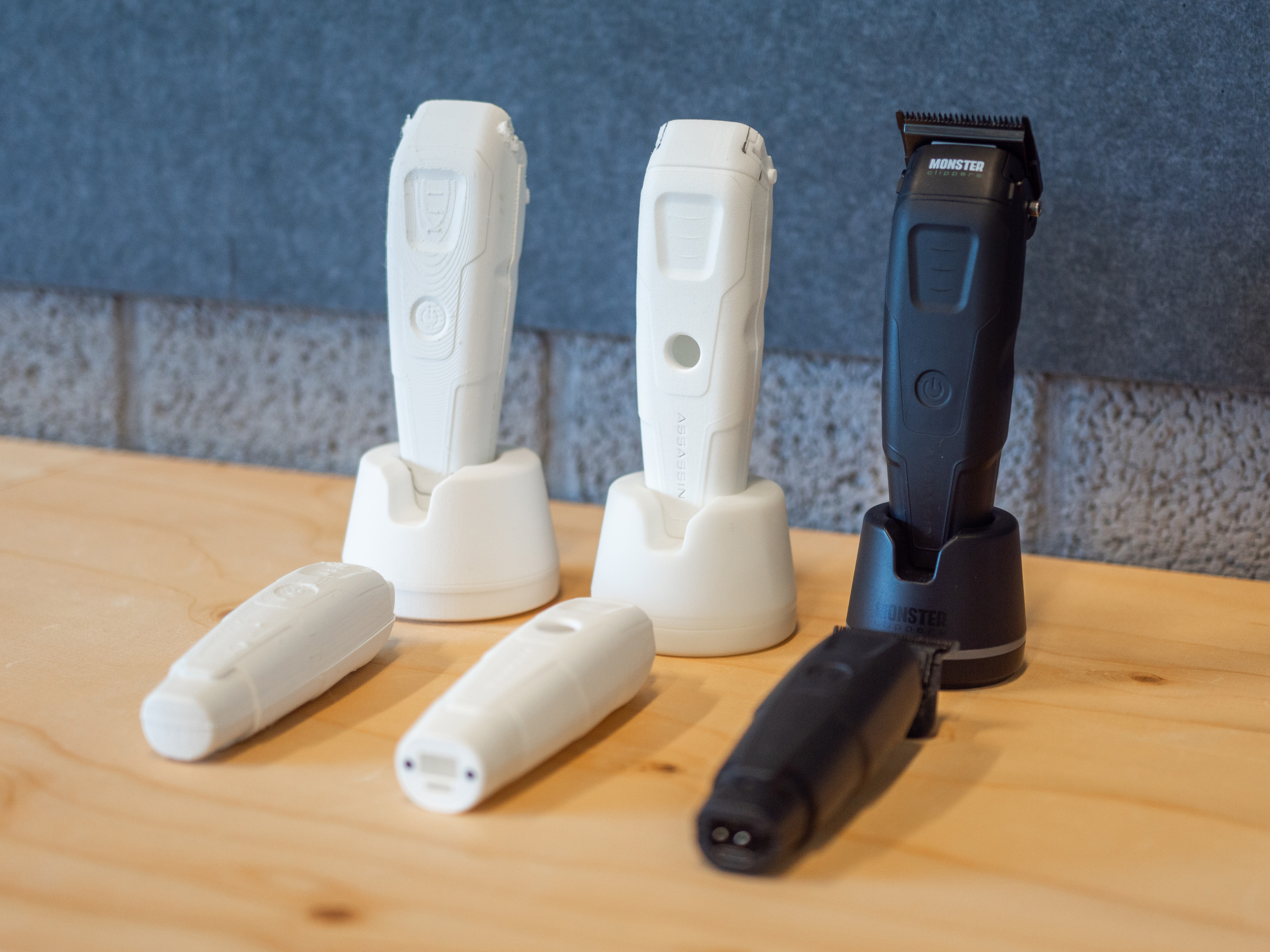
Prototyping plays a crucial role in the entire design process. By creating physical models and functional prototypes, we can test, evaluate and refine the product. This provides valuable insights into ergonomics, functionality, and user experience.

In many cases, it is desirable to prototype the entire product, so it can be validated before starting production. This could be a presentation model for a trade show or a technically functioning prototype for mechanical testing.

5. Production preparation & support

Once the design has been validated, the production process can be started. We deliver production-ready files and technical drawings. Some clients take it from there with their own preferred suppliers, while others ask us to manage the process. Over the years, we have built a reliable network of manufacturers in the Netherlands, Europe, and Asia. For this purpose, we established a dedicated branch: Helder Products.

Even during tooling and production, we remain involved to ensure quality and implement any necessary optimizations. This way, we make sure the final product is not only well designed but also meets all requirements.

How can we support you?

Do you need support in the design process? We are ready to assist you at every stage. And even if your product is nearly finished but you’re looking for a reliable partner for serial production, we’re happy to help.